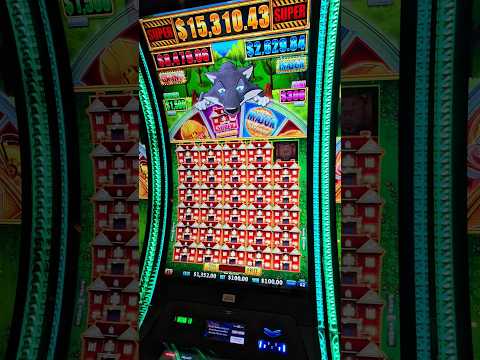
Top Online Casino Slots That Pay Real Money Instantly
Have you ever wondered what makes casino slots so instantly recognizable? At its core, a casino slot is a digital or mechanical game where you spin reels filled with symbols, aiming to line up winning combinations across active paylines. The key is the random number generator, which ensures every spin is completely independent and unpredictable, offering a simple, fast-paced form of entertainment that requires no skill or strategy to play.
Decoding the Reels: How Modern Spinning Games Work
Modern spinning games in casino slots operate on a Random Number Generator (RNG), a microchip that continuously produces thousands of number sequences per second, even when the machine is idle. When you press spin, the RNG selects the exact millisecond to lock in a result, determining which symbols appear on the reels. These symbols are weighted differently, so a jackpot icon will appear far less frequently than a common cherry. The outcome is predetermined the instant you hit the button, making the physical reels a purely visual representation of that digital decision. Each spin is an independent event, with no memory of previous results, meaning a never-ending cycle of random data dictates every win or loss.
The Random Number Generator: The Core of Fair Play
At the heart of every modern slot machine, the Random Number Generator (RNG) continuously cycles through thousands of number combinations per second, even when the game is idle. When you press spin, the RNG instantly locks in a single number, which corresponds to a specific reel position and determines your outcome. This process is constant and independent, ensuring no past result influences future spins. The use of a truly random selection algorithm guarantees each spin has an equal probability of landing any symbol, making the game inherently unpredictable and fair.
- The RNG generates a seed value based on a timing variable at the exact moment you activate the spin.
- An algorithm processes this seed to produce a random number within the game’s range.
- That number maps to a predefined stop position on each virtual reel, finalizing the displayed result.
Paylines vs. Megaways: Evolution of Winning Patterns

Classic slots locked players into fixed paylines, where winning only occurred on preset horizontal paths. Megaways revolutionized this by introducing a dynamic, random reel modifier that changes the number of symbols per spin, creating thousands of ways to win on every single play. Instead of predicting a line, you now need matching symbols on adjacent reels from left to right. This shift from rigid paylines to cascading, ever-changing winning patterns massively increases volatility and potential payouts, making the evolution of winning patterns the defining feature of modern gameplay.
- Paylines require specific, unmoving symbol positions for a win; Megaways move the goalposts on every spin.
- Megaways eliminate dead space; every spin offers a variable but high number of potential winning combinations.
- Winning patterns shifted from static paths to a dynamic “all-ways” system, focusing on adjacent reels rather than single lines.
Volatility Explained: Balancing Risk and Reward
Volatility determines your slot’s payout rhythm. High volatility means rare but massive wins, demanding patience for explosive rewards. Low volatility delivers frequent, smaller payouts, extending playtime but capping jackpots. To balance risk and reward, assess your bankroll: matching volatility to your session style is key. Follow this sequence:
- Set your loss limit—high volatility risks faster burns.
- Choose volatility aligned with your goal—small steady gains or chasing a single big hit.
- Adjust bet size: lower bets stretch high-volatility sessions; higher bets amplify low-volatility returns.
Your reels’ volatility profile dictates whether you grind or gamble.
Maximizing Your Bankroll: Smart Spin Management
Smart spin management is your key to turning a fixed bankroll into extended play. Instead of hammering the max bet, split your funds into smaller session budgets and set a strict spin value—typically 1-2% of your total bankroll per spin. This prevents rapid busts during dry streaks and allows you to ride out volatility until a bonus round hits. A crucial question: How do you know when to walk away? The answer: Set a loss limit equal to your session budget and a win goal of double that—once you hit either, stop spinning immediately. Chasing losses or thinking “one more round” erodes discipline, turning a calculated strategy into a gamble. Consistent spin caps keep you in the game longer, maximizing opportunities without risking your whole stake.
Choosing the Right Bet Size for Your Budget
Aligning your wager with your total bankroll is the golden rule for keeping the session alive. A good starting point is betting no more than 1–2% of your total budget per spin, which allows for a natural losing streak without wiping you out. Conservative base bet sizing ensures you maximize playtime and hit potential bonus features. For example, if you have $100, stick to $1 or $2 spins. Should I ever increase my bet after a loss? No—chasing losses by doubling up usually speeds up depletion. Instead, stay consistent or lower the bet when the budget shrinks. This keeps the game fun and sustainable.
Leveraging Free Spins and No-Deposit Bonuses
Free spins and no-deposit bonuses are pure gold for stretching your bankroll. Start by targeting offers with low wagering requirements—this means you keep more of what you win. Strategic bonus hunting involves activating these deals only when you’re ready to play, as they often expire fast. Use a clear sequence to maximize value:
- Claim the bonus and check game restrictions.
- Play through the wagering requirement on high-RTP slots.
- Cash out any winnings immediately after meeting the playthrough.
This approach lets you test new games risk-free while preserving your own cash for longer sessions.
When to Walk Away: Setting Win and Loss Limits
Establishing hard stop limits before you spin is non-negotiable for preserving your bankroll. Set a specific loss limit—the total cash you are willing to lose in one session—and walk away the instant you hit that number. Simultaneously, define a realistic win goal (e.g., +50% of your starting bankroll); locking in that profit when you reach it prevents the common trap of chasing bigger payouts. Implement these thresholds directly into the slot machine’s autoplay or session-timer feature if available. Your play should follow this simple sequence:
- Determine your maximum loss amount before starting.
- Set a clear win target (e.g., +30% of your buy-in).
- Cash out and stop immediately when either limit is reached.
Visual and Audio Spectacles: The Art of Immersion
Modern casino slots craft immersion through visual spectacles like 3D-rendered characters and cascading reel animations that respond to every spin. High-definition audio design uses surround effects, from the clatter of coins to dynamic musical crescendos that sync with bonus triggers. Triggering a free spins round unleashes a full cinematic sequence, with particle effects and synchronized soundtracks that heighten anticipation. This sensory layering transforms a simple spin into an emotional journey, with each win feeling like a mini-event. The combination of vivid graphics and responsive audio creates a feedback loop that keeps players engaged, turning the game into a self-contained spectacle.
Theme Diversity: From Ancient Egypt to Futuristic Worlds
Theme diversity in casino slots propels players from the sun-scorched pyramids of Ancient Egypt to the neon-lit corridors of futuristic worlds within seconds. One spin delivers scarab beetles and hieroglyphic scatters, while the next crackles with holographic reels and cybernetic bonus rounds. Q: How does this range enhance gameplay? It prevents visual fatigue by constantly resetting your sensory expectations, making each session feel like a new adventure rather than a recycled backdrop.
How Soundscapes Influence Player Psychology
Soundscapes in casino slots manipulate player psychology by conditioning rapid response loops. Each win triggers ascending tones and celebratory chimes, which the brain associates with reward, reinforcing continued play even during losses. Near-miss sounds—dissonant or truncated notes—create a false sense of imminent success, heightening arousal and motivation to spin again. Tempo increases subconsciously accelerate decision-making, reducing rational hesitation. Rhythmic background loops mask time perception, making extended sessions feel brief.
Soundscapes exploit auditory cue-reward conditioning, near-miss dissonance, and temporal distortion to amplify engagement and override logical stop signals.

Animation and Graphics: Triggers for Emotional Engagement
The deliberate use of animation and graphics in slots directly dictates emotional triggers that sustain play. Cascading reel collapses, shimmering win lines, and targeted character animations—such as a mascot’s celebratory leap—operate as micro-rewards, hijacking the brain’s pleasure circuitry through rapid visual feedback. Dynamic visual feedback loops amplify anticipation by stretching the moment before a payout is confirmed. A subtle slowdown in a spinning reel just before it stops can inflate perceived winning potential, even on a losing spin. The color palette intensifies during bonus rounds, shifting from cool blues to hot reds to spike arousal. This calculated pacing within graphics ensures the player remains locked in a state of emotional oscillation between tension and release.
Q: How does a slot’s animation style trigger emotional engagement? A: It exploits the brain’s pattern-seeking instinct; rapid, celebratory visuals—like coins exploding from a vault—signal a “win” before the credit counter updates, creating an emotional spike that reinforces continued interaction regardless of actual outcome.
Top Features That Boost Winning Potential
Slots with high Return to Player (RTP) percentages, ideally above 96%, directly increase theoretical winning potential over time. Features like expanding wilds and multipliers on bonus rounds amplify payouts significantly. Volatility is also key: low volatility offers frequent smaller wins, while high volatility targets larger but rarer jackpots. Question: Which single feature most consistently boosts winning potential? Answer: Multipliers applied during free spins, as they compound base wins without requiring additional bets. Always check the paytable for scatter-triggered bonuses, as these often provide the highest return per session. Avoid slots with complex side bets that dilute the primary game’s payout structure.
Wild Symbols, Scatters, and Multipliers Demystified
Understanding Wild Symbols, Scatters, and Multipliers Demystified directly transforms how you approach reels. Wilds substitute for missing icons to complete paylines, often stacking or expanding for massive coverage. Scatters trigger bonus rounds or free spins regardless of position, bypassing bet-line restrictions. Multipliers then amplify every win within those rounds, from 2x to 100x. Together, these features create explosive, overlapping potential—a sticky wild in a multiplying free spin session can turn a modest base win into a staggering payout. Master their interaction for the sharpest edge.
Progressive Jackpots: Chasing Life-Changing Payouts
Progressive Jackpots: Chasing Life-Changing Payouts centers on a prize pool that increases every time a player spins. A tiny portion of each wager feeds the jackpot, often culminating in a seven-figure sum. To qualify, you typically must bet the maximum coin amount, making each spin a calculated gamble for progressive jackpot eligibility. These payouts randomize win triggers, meaning any spin could unexpectedly award the full accumulated prize. Focusing on slot games with a proven history of hitting can inform a strategic approach, though the odds remain exceptionally slim per spin.

Bonus Rounds and Pick-Me Games: Interactive Excitement
Bonus rounds and pick-me games transform standard slot play by injecting direct player agency. In a pick-me game, you select from displayed objects to reveal hidden multipliers, free spins, or cash prizes, creating a decision-based reward loop. Bonus rounds typically follow a sequence: first, a triggering combination (e.g., three scatter symbols) activates the feature; second, you enter a dedicated gameplay screen—often a wheel-spin, cascading reels, or a multi-level maze. This interactive format removes passive spinning, letting your choices influence short-term winning potential. Each revealed prize resets the board, maintaining suspense until the round ends. Master the timing of picking safe vs. high-risk options to maximize return.
- Trigger the bonus via scatter or symbol clusters
- Enter the interactive pick-me or bonus screen
- Make selections (or spin bonus reels) to accumulate rewards
- Return to base game after prize exhaustion
Navigating the Digital Landscape: Where to Play
The digital landscape for slots is vast, but not every corner is worth your coin. I learned this the hard way after chasing a shiny bonus on a platform that felt like a ghost town. The trick is to play where the ecosystem matches your style—high volatility for thrill-seekers, low volatility for steady spins. Q: How do I find the right digital nook? A: Scan the lobby for games with a “hot” indicator and active player counts, then drop a few test bets to feel the rhythm. A slot’s payout frequency in the wild tells you more than its theme ever will. I stick to hubs where the reels have a pulse, not just flashy menus.
Licensed Platforms vs. Rogue Sites: Spotting the Difference
When chasing spins, the divide between licensed platforms and rogue sites comes down to trust in the game’s guts. On a licensed site, every reel outcome is cryptographically certified by a third-party auditor, so a win feels earned. Rogue sites, however, can silently tweak Return-to-Player percentages with a single backend switch. Spot the difference by peeking under the hood.
- Licensed sites display real-time RTP certificates from labs like eCOGRA; rogue sites hide or forge them.
- A rogue slot often freezes mid-spin or refuses to pay out bonuses without endless verification loops.
- Licensed platforms load verified game files from official studios; rogue sites use ripped, untraceable code.
Mobile Compatibility: Spinning on the Go
Mobile compatibility ensures slot players can spin from anywhere, with touch-optimized gameplay being essential. Games now load through browsers or dedicated apps, scaling perfectly to smaller screens without losing features like bonus rounds or paytable information. Responsive design eliminates lag, while portrait and landscape modes offer flexible viewing. Responsive loading prevents crashes on weaker connections. A smooth spin relies on intuitive tap-and-swipe controls, not mouse clicks.
Does mobile compatibility affect slot payouts? No; random number generators and return-to-player percentages remain identical to desktop versions, since the game logic is server-side. Only the interface adapts to your device.
Live Dealer Hybrids: Blending Real-Time Action with Reels
Live Dealer Hybrids merge a human-streamed dealer with spinning reels, bridging the gap between table games and slots. Instead of physical cards, the dealer triggers digital slot mechanics on a live feed, often with bonus rounds that play out on-screen. You bet on the reel outcome, not a hand of cards, creating a unique pace where real-time interaction meets instant slot volatility. This format lets you chat with the presenter while watching reels respond to their live actions, offering social engagement without sacrificing the automated thrill of paylines and multipliers.
Common Myths and Misconceptions
Many players believe a slot machine is “due” for a payout after a long losing streak, a myth rooted in the gambler’s fallacy. In reality, each spin is an independent, random event governed by a Random Number Generator, ensuring past results have zero influence on future outcomes. Another common misconception is that stopping the reels manually improves your odds. The outcome is determined the moment you press the spin button, making the reel animation purely visual. Similarly, the idea that using a player’s card or betting maximum coins triggers better payouts is false; the Return to Player percentage remains constant regardless of bet size or loyalty card use. Trust the math, not the myths.
Hot and Cold Machines: Why Luck Isn’t Pattern-Based
The myth of “hot and cold machines” persists despite being a fundamental misunderstanding of slot operation. Modern slots use a Random Number Generator (RNG) to determine every spin independently, making past results completely irrelevant to future outcomes. A machine labeled “hot” due to recent payouts has no higher probability of hitting again; it is simply experiencing random variance. Conversely, a “cold” machine is not “due” for a win, as the RNG holds no memory of previous spins. To clarify the logical trap:
- Players often mistake a recent cluster of wins as a “hot” pattern.
- They then bet more, believing the favorable “streak” will continue.
- When the spin results revert to the true, random house edge, losses mount from overconfidence.
The only reliable strategy is to recognize that each spin is an independent event. Ignoring perceived slot machine patterns is the only way to manage expectations and bankroll effectively.
The Truth About “Due” Payouts and Timing
A persistent myth is that a slot machine is “due” for a payout after a long losing streak. In reality, each spin is an independent random event, governed by a Random Number Generator that assigns outcomes with no memory of past results. Timing or counting spins has zero effect on when a win occurs. The machine does not track win percentages or adjust odds to catch up.
- A machine’s theoretical Return to Player (RTP) is calculated over millions of spins, not a single session.
- No mechanism exists to “compensate” for prior losses or to guarantee a win after a dry period.
- The probability of hitting a jackpot is identical on every spin, regardless of your previous play history.
How Return-to-Player Percentages Actually Function
Return-to-Player (RTP) percentages are a long-term theoretical average, not a session guarantee. They represent the mathematical payout over millions of spins, calculated by dividing total winnings returned by total wagers placed. For a 96% RTP slot, the casino mathematically retains 4% of all wagered money over time. Volatility determines how that percentage distributes: high-volatility slots can swing wildly below or above the RTP in short sessions, while low-volatility slots deliver closer adherence. This means a single spin or hour has no relationship to the advertised RTP—only extended play reveals its function.
Q: Does a higher RTP guarantee more frequent wins during a play session?
A: No. RTP solely measures the expected return over infinite cycles, not short-term hit frequency. A 98% RTP slot can still produce long losing streaks due to its underlying random number generator and volatility.
Strategic Approaches to Improve Your Odds
To improve your odds on slots, focus on games with high RTP percentages (ideally 96%+) and low-to-medium volatility for more frequent, smaller wins that stretch your bankroll. Adopt a strict session budget, betting only 1–2% of it per spin to withstand variance cycles. Activate all paylines to maximize winning combinations, and always play the maximum coin denomination your bankroll allows, as this unlocks the best pay table percentages. A key strategic approach is knowing when to walk away: set a win cap (e.g., 50% above your starting bankroll) and a loss limit to avoid chasing losses.
Reading Paytables Before You Bet
Reading paytables before you bet is a critical step because it reveals the exact payout for each symbol combination and the game’s volatility. By scanning the paytable, you identify which symbols offer the highest multipliers and which trigger bonus features. This pre-bet review lets you calculate the theoretical return-to-player (RTP) and adjust your wager accordingly. Understanding symbol values prevents costly surprises, such as mistaking a low-paying graphic for a jackpot icon. Why should I read the paytable if I already know the game? Even familiar slots adjust their paytables between versions, so verifying ensures you aren’t betting on a changed pay structure.
Using Demo Modes to Test New Games
Before committing real funds to an unfamiliar slot, utilize demo modes to conduct risk-free evaluation. This allows you to scrutinize the game’s volatility and bonus frequency without financial exposure. First, confirm the demo replicates the full paytable. Then, execute at least 100 simulated spins to observe the hit rate. Pay particular attention to how often the bonus round triggers, as this reveals the machine’s true behavior. This practice isolates the game’s mechanics from luck. Consequently, you can test new games for volatility and decide if the risk profile matches your bankroll strategy, turning demo play into a tactical selection tool.
- Access the demo mode of the target slot.
- Note the base game’s payout rhythm over at least 100 spins.
- Evaluate triggered bonus features for their value and frequency.
- Decide if the game’s volatility suits your betting approach.
Bankroll Staking Systems: When They Help or Hinder
Bankroll staking systems, such as the Martingale or Paroli, provide a structured framework for wagering on slots, but their practical value is limited by the game’s inherent volatility. Fixed-unit systems help by enforcing discipline, preventing reckless bets after losses, and extending play during dry spells. Conversely, progressive systems often hinder bankrolls by escalating wager sizes to unrealistic levels; a slot machine’s predetermined RTP does not respond to bet increases, meaning a losing streak can accelerate depletion. The most effective approach is a flat-betting strategy, which stabilizes session length and avoids the illusion of system-caused wins, focusing solely on bankroll preservation.
| System Type | How It Helps | How It Hinders |
|---|---|---|
| Fixed Unit | Controls risk, maintains consistent bet size per spin | Does not recoup losses faster, limits upside on hot streaks |
| Progressive (Martingale) | Tempts recovery of past losses with one win | Requires massive bankroll; slot variance can cause ruinous bet spikes |
The Social Side: Tournaments and Community Play
Slot tournaments turn community play into a shared thrill. You compete against others on the same game, racing to hit the most wins within a set time. Leaderboards update in real time, creating a friendly rivalry that makes each spin feel like a team event. Many platforms let you chat with fellow players during the action, swapping tips or celebrating big spins together. This social layer transforms solitary slot sessions into a lively group experience, where bragging rights often matter more than the prize pool.
Leaderboards and Competitive Spinning Events

Leaderboards in casino slots rank players by metrics like total spins or highest single win during a set period, often resetting weekly for fresh competition. Competitive spinning events add time-limited challenges, such as hitting specific symbol combinations or achieving consecutive bonus rounds, with prizes awarded to top finishers. These events leverage game volatility to create strategic depth, where participants must balance risk against leaderboard position. Real-time standings update as you play, pushing you to adjust bet sizes or game selection for optimal progression. Rewards typically include free spins, cash credits, or exclusive tournament entries, directly incentivizing active engagement.
Multiplayer Slots: Cooperative or Competitive Thrills
Multiplayer slots split the thrill into two distinct camps. Cooperative slots unite players against a shared target, like a communal jackpot that grows with each collective spin, rewarding teamwork over selfish play. In contrast, competitive thrills pit you directly against others on live leaderboards, where every win boosts your rank but also triggers opponents’ envy. Smart platforms let you toggle between modes: join a syndicate to pool spins for faster unlocks, then jump into a head-to-head race for the highest single-payout. This choice reshapes the slot experience from solitary luck into a dynamic battle of alliance versus ambition.
| Cooperative Thrills | Competitive Thrills |
|---|---|
| Pooled spins unlock shared bonuses | Live rankings spark rivalry |
| Collective targets like group jackpots | Head-to-head payout chases |
| Lower personal risk with team support | High stakes for top leaderboard spots |
Chat Features and Shared Bonus Triggers
Modern slot lobbies elevate community play through **chat features and shared bonus triggers**. Live chat channels let you coordinate with teammates or cheer random wins. The real thrill is the shared bonus trigger: when any player lands specific scatter symbols, the entire room casinous casino unlocks a communal round, multiplying every participant’s potential payout. Some games even let you send extra spins or wild multipliers to a struggling neighbor via chat commands. This transforms solitary spinning into a dynamic, cooperative chase where every notification could signal a group jackpot.
| Chat Feature | Shared Bonus Trigger |
|---|---|
| Emoji reactions and quick-call buttons | All players must hit same scatter count |
| Private message whispers for strategy | Bonus multiplier increases with more triggers |
| Auto-translate for global rooms | Prizes split evenly among active chatters |
How Casino Slots Actually Work Behind the Reels
Understanding Random Number Generators in Slot Play