
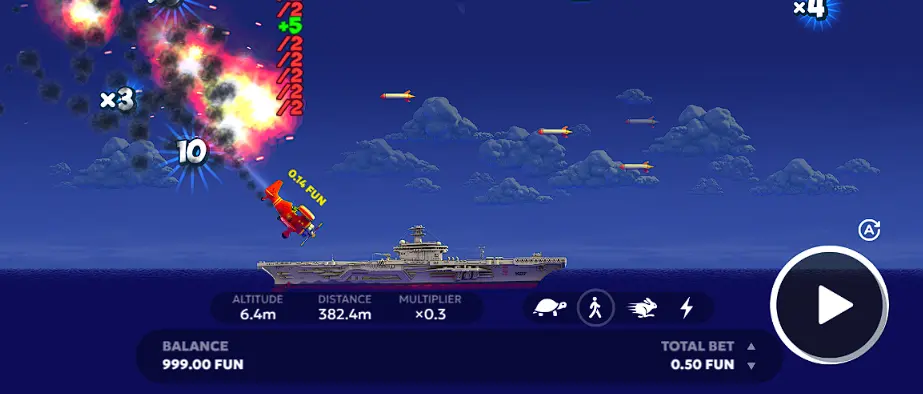
In the realm of flight simulation games, randomness plays a pivotal role in enhancing realism and unpredictability. One such game that has embraced this concept is Flight Legends, which utilizes a Random Number Generator (RNG) to create dynamic flight paths. This report delves into the mechanics and implications of RNG-generated flight paths within the game, exploring its significance for players and the overall gaming experience.
Flight Legends employs an RNG system to generate flight paths that are not only varied but also realistic, mimicking the complexities of real-world aviation. The RNG algorithm takes into account numerous factors, including weather conditions, air traffic, and geographical features. By integrating these elements, the game ensures that no two flights are identical, thereby maintaining player engagement and enhancing replayability.
The core of the RNG system lies in its ability to simulate real-time decision-making. Players must adapt to changing conditions, such as sudden weather changes or unexpected air traffic, which can alter their flight path significantly. This unpredictability mirrors the challenges faced by real pilots, creating a more immersive experience. The RNG-generated paths can lead to exciting scenarios, such as navigating through storms or rerouting due to restricted airspace, which require players to apply their skills and knowledge of aviation.
Moreover, the RNG system fosters a sense of adventure and exploration. Players are encouraged to venture into uncharted territories, as the generated flight paths can lead to hidden locations and unique challenges. This aspect of the game promotes curiosity and experimentation, allowing players to discover new areas and engage with the game’s vast environment more thoroughly. The element of surprise keeps players on their toes, as they never quite know what to expect from each flight.
However, the implementation of RNG-generated flight paths is not without its challenges. While the randomness adds excitement, it can also lead to frustration if players encounter difficult scenarios that seem overly punishing or unrealistic. To mitigate this, Flight Legends incorporates a feedback system that allows players to report their experiences with specific flight paths. This data is invaluable for developers, who can fine-tune the RNG algorithm to ensure a balanced and enjoyable gameplay experience.
Additionally, the RNG system encourages community interaction. Players often share their unique flight experiences and the challenges they faced, fostering a sense of camaraderie among the community. This sharing of stories not only enhances the social aspect of the game but also provides valuable insights into how different players approach the same challenges, further enriching the overall experience.
In conclusion, the RNG-generated flight paths in Flight Legends serve as a fundamental component that enhances realism, engagement, and community interaction. By simulating the unpredictability of real-world aviation, the game offers players a dynamic and immersive experience that keeps them coming back for more. As developers continue to refine the RNG system based on community feedback, the potential for innovation and excitement within Flight Legends remains boundless. The integration of RNG not only elevates the gameplay but also reinforces the essence of flight simulation, where every journey is a new adventure waiting to unfold.